US signals further escalation as military operations expand across Iran, raising concerns over regional security
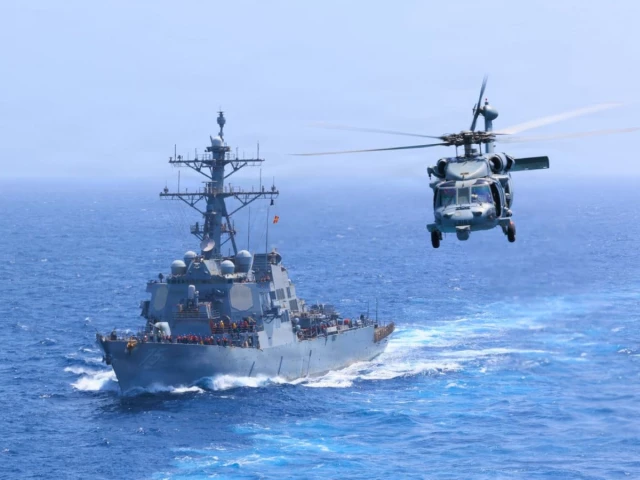
USS Donald Cook (DDG 75) transits the Arabian Sea while an MH-60S Sea Hawk flies nearby on July 19, 2026. Photo: US Central Command
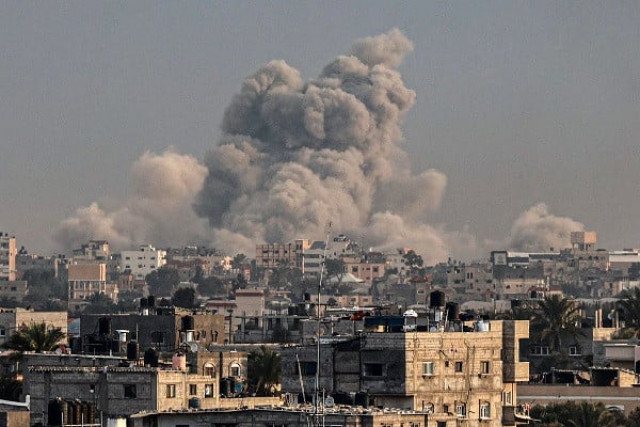
The US carried out a ninth consecutive night of military strikes against Iran early on Monday, targeting command centres, missile facilities, air defence systems, maritime assets and communications infrastructure.
The latest developments indicate the conflict is expanding beyond direct military exchanges, with growing implications for regional security, global energy supplies and international shipping.
Here is what to know.
Why are the US strikes continuing?
President Donald Trump said US forces had struck Iran “very hard,” describing the operations as retaliation for the deaths of US service members in the Middle East.
The latest casualty on the US side came in northern Iraq, where a service member was killed during the controlled detonation of unexploded ordnance recovered from a downed Iranian drone.
According to American media, at least 17 US soldiers have been killed since Feb 28, when the US and Israel attacked Iran.
Strait of Hormuz at the heart of the conflict
US Secretary of State Marco Rubio said on Sunday that Iran was attempting to use the Strait of Hormuz as a bargaining tool, urging other nations to play a greater role in safeguarding international shipping routes.
“It’s clear that Iran, at least some people in Iran, want to control the strait and hold that as leverage against the world,” Rubio told reporters before departing for the Philippines.
Read: Rubio hails Lebanon for peace efforts
The US military said it redirected six commercial vessels and disabled another while enforcing what it described as a naval blockade on Iran.
The Strait of Hormuz remains one of the world’s most important maritime chokepoints, carrying roughly one-fifth of globally traded oil as well as significant volumes of liquefied natural gas.
Any disruption to shipping through the waterway could have immediate consequences for global energy markets.
What is Iran saying?
In the latest attack at dawn on Monday, several people were injured when a projectile hit near Silvana in Urmia, northwestern Iran, the semi-official Iranian ISNA news agency reported.
Meanwhile, Iran said on Monday it had received proposals from mediators aimed at de-escalating tensions and is reviewing them.
Iran’s Foreign Ministry spokesman Esmail Baqai said during a press briefing that mediators were working to prevent further escalation and had conveyed proposals to Tehran.
Earlier, Iranian Foreign Minister Abbas Araghchi said that his country had sought negotiations before the war because even a hypothetical 10% chance of achieving an outcome other than conflict was worth exploring.
The US has escalated attacks against Iran in recent days, with Iran retaliating with strikes targeting US bases in the Middle East.
The exchange of fire between the two countries comes despite a Pakistan-brokered memorandum of understanding signed in June to end their war.
Read more: US informs Israel of plans to intensify attacks on Iran
What is the humanitarian impact?
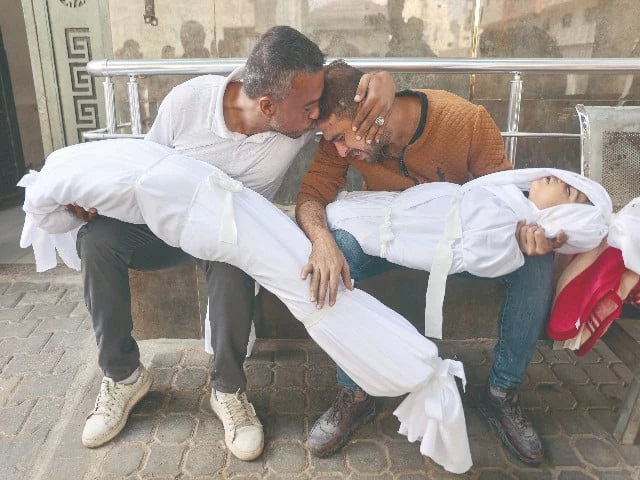
According to Iran’s health ministry, more than 50 people have been killed and over 517 injured in US attacks across the country since June 27.
The fatalities included five women and two children, while 35 women and 19 children were injured, ministry spokesman Hossein Kermanpour said in a post on the US social media company X.
He added that 28 surgical procedures had been performed, 468 patients had been discharged after completing treatment, and 32 others remained hospitalised.
ساعت ۷ صبح ۲۸ تیر،حملات هوایی آمریکا؛ ۵۱۷ مصدوم و بیش از ۵۰ شهید برجای گذاشتهاست. در میان مصدومان، ۳۵ خانم و ۱۹ نفر زیر ۱۸ سال و شهدا، ۵ خانم و ۲ شهید گرانقدر، زیر ۱۸ سال هستند. ۴۶۸ نفر نیز پس از درمان ترخیص شدهاند. در حال حاضر۳۳ نفر بستری و نیازمند دعای مردم
#وزارت_بهداشت— حسین کرمانپور Hossein.Kermanpour (@HKermanpour) July 19, 2026
Is the conflict expected to intensify?
Over the past 10 days, US attacks have largely focused on southern Iran.
However, Monday strikes on Tabriz and Urmia in the north mark the first reported expansion beyond southern Iran during this period.
This came after the US informed Israel that it planned to intensify its military campaign against Iran over the coming days, Israeli public broadcaster KAN said on Sunday.
Citing unnamed Israeli and US security sources, KAN said Washington had told Tel Aviv that it preferred to keep Israel out of the current phase of the escalation, despite discussions over possible scenarios involving Iranian retaliation against Israel.
Analysts warn that such a move would mark a further escalation in a conflict that has already spread beyond Iran’s borders, affecting Iraq, Jordan and key maritime routes in the Gulf.