Calls it a gross violation of artistic freedom and the right to freedom of expression
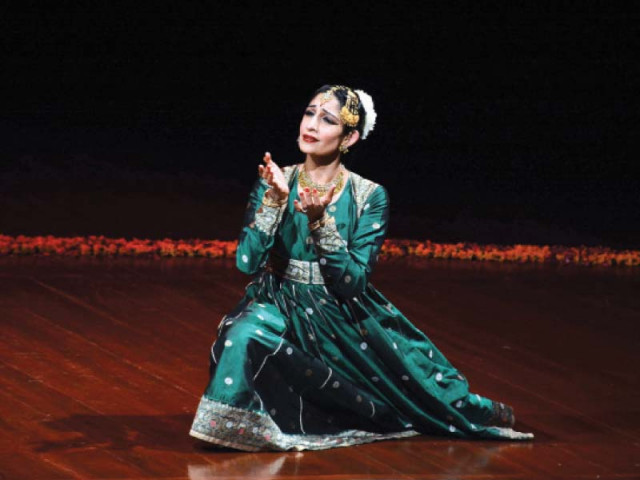
Farah Yasmeen Shaikh performs at PNCA. She received kathak training from late Pandit Chitresh Das. PHOTO: HUMA CHOUDHARY/EXPRESS
The Human Rights Commission of Pakistan (HRCP) on Thursday raised alarm over the recently passed Punjab Dramatic and Theatrical Performances Bill 2026, warning that the legislation would undermine artistic freedom and incite dissatisfaction towards the government by barring free speech.
Yesterday, the Punjab Assembly witnessed bitter exchanges and confrontations between treasury and opposition members over alleged obscenity in theatres, regulation of performances and a proposed mechanism, before the government got the Punjab Dramatic and Theatrical Performances Bill 2026 passed.
In a statement issued on the social media platform X, it said, “HRCP is deeply concerned that the recently passed Punjab Dramatic and Theatrical Performances Bill 2026 effectively places the government beyond satire and criticism.”
It further warned that “prohibiting performances” would likely create disaffection towards the government.
“[It] is a gross violation of artistic freedom and the right to freedom of expression.”
HRCP is deeply concerned that the recently passed Punjab Dramatic and Theatrical Performances Bill 2026 effectively places the government beyond satire and criticism. Prohibiting performances deemed likely to create disaffection towards the government is a gross violation of…
— Human Rights Commission of Pakistan (@HRCP87) November 19, 2026
It also raised concerns over the bill’s mandatory licensing requirements, government-controlled script reviews and censorship mechanisms, arguing that these provisions institutionalised state control over artistic and cultural activities through threats of fines and imprisonment.
Read: Lahore’s ‘Mahfil’ theatre sealed by Punjab government
The HRCP announced that it would convene a consultation with artistes and other relevant stakeholders to examine the legislation’s implications and discuss possible measures to safeguard artistic and cultural freedoms.