MQM-P, PTI and JI accuse Sindh government of seeking to curb elected mayors’ powers and empower administrators
A proposed overhaul of Sindh’s local government law ran into fierce opposition on Saturday, with MQM-P, PTI and Jamaat-e-Islami rejecting key government proposals and accusing the provincial administration of seeking to curb elected mayors’ powers and pave the way for unelected administrators.
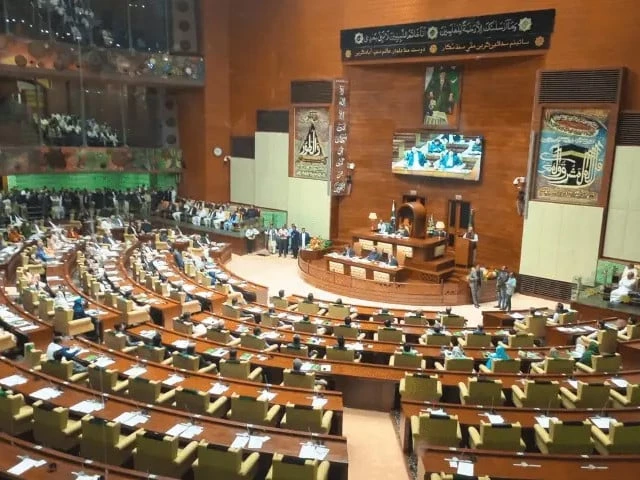
A parliamentary committee constituted to examine amendments to the Sindh Local Government Act met at the Sindh Assembly, with government and opposition lawmakers taking part. The meeting reviewed the proposed new local government legislation, while representatives of participating parties also submitted their own amendments.
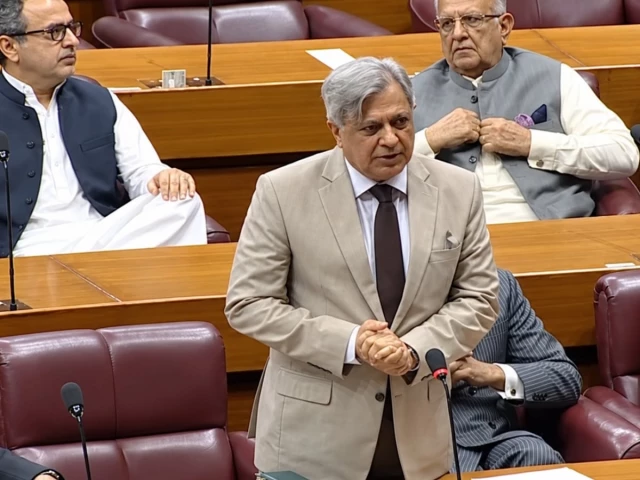
Speaking to the media after the meeting, Sindh Home Minister Ziaul Hassan Lanjar said the government had proposed a mechanism for the period following the completion of local representatives’ terms.
Read: Sindh moves to keep mayors, chairmen in power after term
Under the proposal, he said, the Election Commission of Pakistan would be formally approached 120 days before local government elections, allowing sufficient time for delimitation and other electoral preparations.
Lanjar said delimitation was essential before elections and pointed out that different schedules had been issued during previous polls. Once an election schedule was announced, he added, the Election Commission would make the necessary arrangements, while an administrator would handle day-to-day affairs in the interim.
He said the government wanted to strengthen the Election Commission, adding that political parties represented in the committee had also put forward their proposed amendments.
The government’s position, however, drew a sharp response from opposition members.
MQM-P lawmaker Taha Ahmed rejected the committee proceedings outright, alleging that the government was treating the Sindh Assembly as a “personal domain” and deliberately resisting the transfer of powers to elected local representatives.
He demanded that mayors be given full powers under Article 140-A of the Constitution and called for implementation of the PPP’s own 2008 manifesto commitment on devolution of local government powers.
Ahmed questioned the proposed removal of the mayor’s authority over the master plan, solid waste management and the Water Board, alleging that legislation was being tailored to strengthen a “fake mayor”.
He warned that MQM-P would launch protests across the country if what he described as controversial legislation was not stopped.
Also Read: Karachi mayor’s office affected as fire breaks out at KMC building
MQM-P’s Iftikhar Alam also rejected the proposed law, saying the party had serious reservations about making mayors administrators. Such an arrangement, he argued, could compromise the transparency of elections, particularly if polls were delayed because the proposed amendments did not clearly define the administrator’s tenure.
Alam said the committee had also failed to address the transfer of powers to local governments in line with Supreme Court directives, describing the proceedings as a “joke”.
PTI’s Shabbir Qureshi said his party had rejected the government’s proposals, particularly the suggestion to place unelected representatives in union councils. PTI, he said, had instead demanded the appointment of internal administrators.
Qureshi also criticised the existing arrangements for solid waste management and alleged that powers had been taken away from the Water Board and the Sindh Building Control Authority. He called for the implementation of the Sindh Local Government Act 2013 in accordance with Article 140-A and Supreme Court judgments.
Jamaat-e-Islami’s Muhammad Farooq said Sindh already had a local government law, but the system remained powerless because authority had not been genuinely devolved.
He said JI had proposed holding local government elections within 120 days and opposed appointing administrators, but its amendments were not accepted. The party also rejected a proposed oversight mechanism in place of transferring powers down to the union council level.
Farooq said none of the proposals submitted by JI three months ago had been accepted and warned that the party would approach the courts if the proposed amendments were enacted.