
Invites PTI to set aside ‘political differences’, come to table and debate issue of creating new provinces
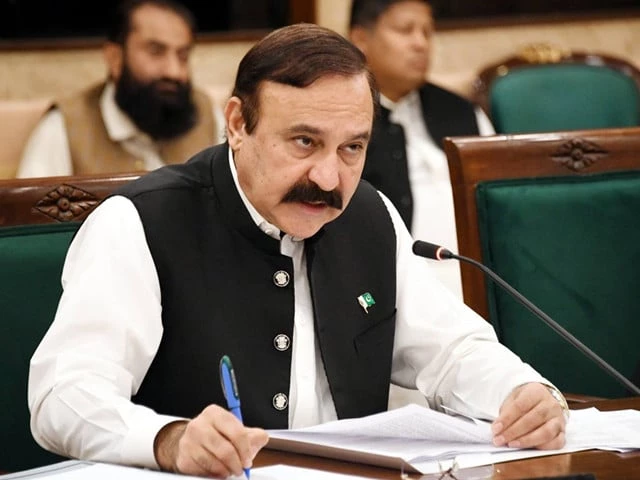
Federal Minister for Parliamentary Affairs Tariq Fazal Chaudhry. Photo: File
Minister for Parliamentary Affairs Tariq Fazal Chaudhry said on Friday that Parliament and the provincial assemblies could not be “bypassed or negated” on the question of making new provinces through a referendum to determine the public will.
The remarks come in the wake of Interior Minister Mohsin Naqvi’s renewed call a day earlier for a referendum on the creation of new provinces, saying the people should have the final say on the matter, while making it clear that no such initiative would move forward without the consent of all allied parties in the ruling coalition.
Speaking on a private television programme, Naya Pakistan, Chaudhry stated the Pakistan Muslim League-Nawaz (PML-N) believed that the creation of new provinces required a “national consensus”, which could only be achieved through the involvement and agreement of all political parties.
Read: Naqvi pitches referendum on new provinces
The minister emphasised that there was a method in the Constitution for the creation of new provinces, noting that legal stipulations mandated a role for the assemblies. “Accordingly, the role of the provincial assemblies cannot be bypassed and negated. This is not appropriate.”
نئے صوبوں یا انتظامی یونٹس کا معاملہ پارلیمنٹ میں لایا جائے، تمام سیاسی جماعتیں اس پر بحث کریں
نئے صوبوں کے معاملے پر نیشنل ڈائیلاگ اور سیاسی جماعتوں کا اتفاقِ رائے ناگزیر ہے
پارلیمنٹ میں بحث، جماعتوں کی مشاورت اور کابینہ میں غور کے بعد نئے صوبوں کے معاملے پر پیش رفت ہونی چاہیے… pic.twitter.com/n0xm2DS99K
— Dr. Tariq Fazal Ch. (@DrTariqFazal) November 13, 2026
The minister reiterated that the party’s official position was that the Parliament, where all political parties were represented, was the most appropriate forum for building national consensus in relation to the question of creating new provinces.
“Even if you want to bypass the role of the Parliament and provincial assemblies in this matter, then there should be a method for that as well. It cannot happen simply through verbal statements,” the minister stressed.
Chaudhry remarked that if the view of the public emerged through the referendum in favour of new provinces, then those sitting in Parliament would consider the will of the majority, as they were the representatives of the people.
نئے صوبوں یا انتظامی یونٹس کے معاملے پر مسلم لیگ ن کی قیادت میں تاحال باضابطہ بحث نہیں ہوئی
معاملہ پارٹی کے متعلقہ فورمز پر آئے گا تو اس پر بحث اور مؤقف دیا جائے گا
وفاقی وزراء نئے صوبوں/ انتظامی یونٹس اور گورننس میں بہتری سے متعلق اپنی آرا دے رہے ہیں
ملک کے نظام میں موجود… pic.twitter.com/96RjAdBqHn
— Dr. Tariq Fazal Ch. (@DrTariqFazal) November 13, 2026
Referring to the Pakistan Tehreek-e-Insaf (PTI), Chaudhry implored the party to set aside “political differences” and come to the table and debate the issue.
“The issue should be taken up and debated in parliament and the cabinet, as well as discussed within and among political parties, so that a political consensus can be forged,” he stated.
Background of debate over new provinces
The current debate over new provinces began on July 30, when Naqvi called for additional administrative units or provinces as part of a broader overhaul of the country’s governance system. Naqvi argued that meaningful structural reforms were needed to improve governance, deliver justice and create opportunities for young people.
Read More: Interior Minister Mohsin Naqvi calls for new administrative units citing existing governance failure
The proposal quickly became politically sensitive in Sindh, where the PPP strongly opposed any move to divide the province. Sindh Chief Minister Murad Ali Shah rejected Naqvi’s assessment that the governance system had collapsed and called the proposal outdated, warning that no bloodshed would be allowed over the creation of new provinces.
The debate widened in August when Muttahida Qaumi Movement–Pakistan (MQM-P) backed the creation of new provinces and called for a national dialogue with political parties. The party argued that Pakistan’s growing population, poor governance and concentration of political power made greater administrative devolution necessary. The move put the party, which is part of the federal coalition but sits in opposition in Sindh, at odds with the PPP’s position on the province.
The PPP, meanwhile, maintained that administrative reform and the division of Sindh were separate questions. Sindh minister Nasir Hussain Shah said the provincial government was willing to discuss measures to improve governance and devolve power, but rejected linking those reforms to the creation of a new province.
The dispute reached the Sindh Assembly at the beginning of September. On September 3, the house unanimously passed a resolution rejecting any proposal to divide Sindh or alter its territorial limits. The resolution described Sindh as a “historic, civilisational and constitutional entity” and declared that “Sindh is one and shall remain one”.
Naqvi, however, showed no sign of backing away. On September 5, he said he would continue to support new provinces regardless of whether he remained in office, arguing that the ultimate decision should belong to the people rather than politicians or governments. He said the public should first be told the “pros and cons” of creating new administrative units before being allowed to decide.
Also Read: Naqvi vows not to back down from demand for new provinces, says decision must reflect public will
That position has since raised another question over how public opinion could be formally established. A constitutional debate emerged over whether a referendum could be used to gauge support for new provinces. Article 48(6) allows a matter of national importance to be put to a referendum following approval by a joint sitting of Parliament, although a referendum itself would not create a new province; any change to provincial boundaries would still have to follow the constitutional process.
PTI Barrister Gohar Ali Khan warned on September 7 that dividing Sindh or any other province without the consent of its people and representatives would weaken the federation. He called for a commission and extensive deliberations before the issue was taken to parliament.
Also Read: PTI’s Barrister Gohar warns against dividing provinces without broad public consensus
Defence Minister Khawaja Asif, while accepting that Sindh had the right to take its own position, also said a final decision would have to emerge through consensus. Asif separately suggested that Islamabad could be used as a starting point for any future administrative restructuring, while Prime Minister’s Adviser Rana Sanaullah said the question of new provinces should be taken up at the relevant forums and resolved through consensus among political parties.