CDA finds serious fire safety gaps at Capital Hospital, Polyclinic, calls for urgent corrective measures
Serious fire safety deficiencies have been identified at two major government hospitals in the federal capital following the tragic fire at the Pakistan Institute of Medical Sciences (Pims) that claimed the lives of 14 newborns.
Inspections conducted by the Capital Development Authority (CDA) at Capital Hospital and the Federal Government Polyclinic on Thursday found major gaps in fire prevention, emergency response and evacuation arrangements, prompting recommendations for urgent corrective measures.
The fire prevention and safety inspection of Capital Hospital covered blocks 1 to 6 of the facility, including the plant room, pharmacy, cafeteria, garage, generator and electrical panels.
Read: 14 newborns killed in fire at PIMS Hospital in Islamabad
The inspection report, seen by The Express Tribune, said, “The [fire safety] audit identified significant deficiencies in fire protection, life safety and emergency preparedness systems.”
It said the existing fire safety arrangements were inadequate to protect patients, staff and visitors.
Several blocks lacked smoke-control systems, while fire-rated doors were missing along emergency exit routes. Emergency staircases and safe evacuation routes were also found to be inadequate.
The report also pointed to deficiencies in fire-rated compartmentation and safety arrangements in critical areas, including intensive care units and operating theatres.
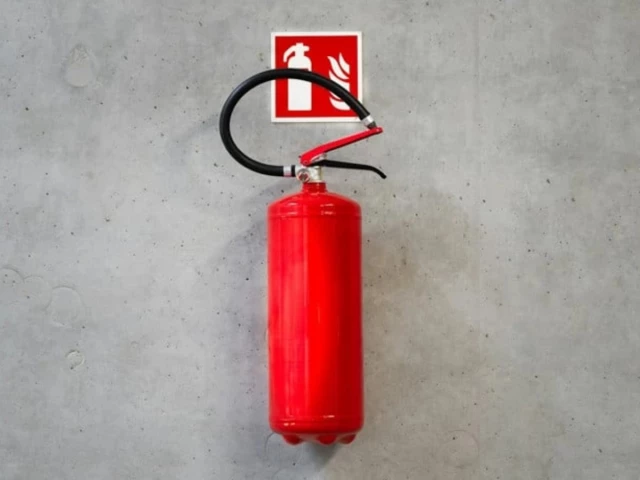
A fire control room was missing altogether, while all fire extinguishers were either expired or improperly installed. Their overall number was also found to be insufficient to deal with an emergency.
The hospital also lacked adequate emergency lighting throughout the facility and did not have trained staff available to provide round-the-clock fire protection.
It described the existing fire safety arrangements as inadequate for protecting patients, staff and visitors.
The report found that several blocks lacked smoke-control systems and that fire-rated doors were missing along emergency exit routes. Emergency staircases and safe evacuation routes were also deemed inadequate.
Other shortcomings included the absence of a dedicated underground firefighting water reservoir and pumps, as well as a failure to conduct regular firefighting and emergency evacuation drills.
The CDA recommended installing a modern fire alarm and detection system, fire-rated doors at all emergency exits, safe escape routes and automatic sprinkler systems.
It also called for an underground firefighting water reservoir, pumps and a dedicated water supply system, along with the deployment of trained firefighting staff, emergency lighting, smoke-control systems and regular emergency drills.
“All identified deficiencies should be rectified on a priority basis in accordance with applicable NFPA standards, CDA Fire Safety requirements and approved fire safety plans,” the report said.
It further recommended that the hospital engage a PEC-registered third-party fire safety expert or contractor to oversee the maintenance, operation, upgrading and continuous monitoring of firefighting and life-safety systems.
34 deficiencies at Polyclinic
A separate fire prevention and safety inspection of the Federal Government Polyclinic in Sector G-6 identified 34 deficiencies related to fire and life safety, according to the CDA report.
Proper emergency exit routes were unavailable in several critical hospital areas, while some existing routes were found to be closed or obstructed.
The hospital lacked adequate arrangements for automatic fire detection, manual fire alarms and automatic sprinkler systems. It was also found to have inadequate firefighting water hoses, internal and external firefighting water systems and firefighting pumps.
Dedicated underground and rooftop water reservoirs for firefighting had not been provided, the report said.
The inspection also raised concerns about the condition of electrical wiring, describing it as extremely poor. A gas leak was detected near the main kitchen.
The report noted that proper arrangements were not available to safely evacuate critically ill patients receiving treatment in intensive care, cardiac care and neonatal intensive care units during a fire emergency.
The Polyclinic also lacked an emergency and evacuation plan, an assembly point, emergency lighting and exit signs. Basic fire safety training and an initial firefighting team were also absent.
Additional deficiencies were found in sanitation arrangements, anti-slip measures on stairs, fire blankets and other safety equipment. The report also called for measures to prevent glass from shattering and appropriate fire compartmentation in critical areas.
“The audit recommends immediate restoration of all emergency exits, correction of the gas leakage and unsafe electrical wiring,” the report said, identifying these as priority corrective measures.
The CDA directed the Polyclinic administration to immediately establish emergency evacuation arrangements and install fire detection, alarm, suppression and firefighting water supply systems.
It also stressed the need for fire safety training for hospital staff and the establishment of initial firefighting arrangements.
The authority directed the administrations of both hospitals to address the identified deficiencies on an urgent basis.
It further warned that the hospitals would be reinspected after corrective measures had been taken to assess whether the recommended safety arrangements had been properly implemented.