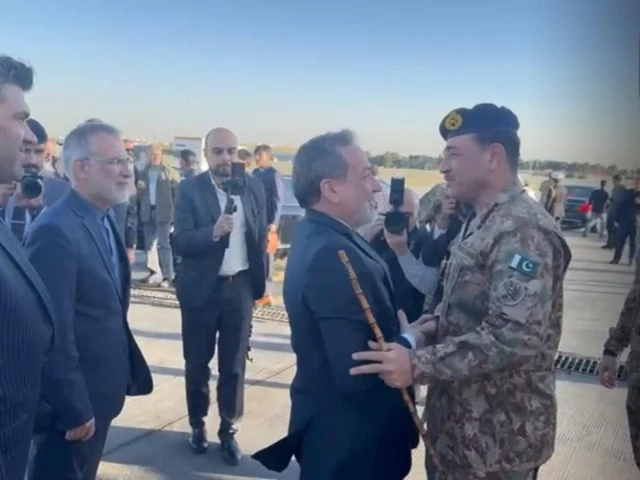
Iran’s delegation is expected to be led by Parliament Speaker Baqer Qalibaf with Foreign Minister Abbas Araghchi
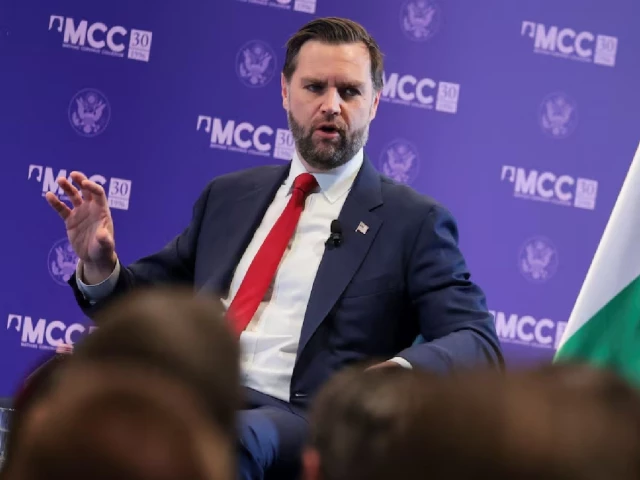
Vice President JD Vance. Photo: Reuters
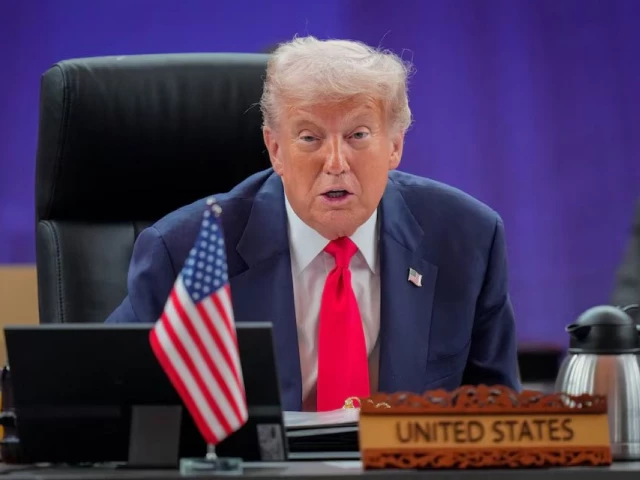
United States President Donald Trump is sending Vice President JD Vance and other negotiators to the Pakistani capital for talks with Iran that will begin on Saturday, the White House said.
Trump “is dispatching his negotiating team led by the vice president of the United States, JD Vance, special envoy (Steve) Witkoff and Mr (Jared) Kushner to Islamabad for talks this weekend,” Press Secretary Karoline Leavitt told a news conference.
With several of Iran’s veteran political leaders killed in the war, Iran’s delegation is expected to be led by the parliament speaker and former Revolutionary Guards commander Mohammad Baqer Qalibaf, with Foreign Minister Abbas Aragchi.
She said President Trump will continue discussions with Israeli Prime Minister Benjamin Netanyahu on the possibility of including Lebanon in an Iran ceasefire deal
“This will continue to be discussed, I am sure, between the president and Prime Minister (Benjamin) Netanyahu, the United States and Israel and all of the parties involved,” Leavitt told reporters.
Criticising NATO, she said the alliance had “turned its back” on the United States, just as its secretary-general was set to meet US President Donald Trump.
Leavitt added that Trump would discuss the possibility of leaving the alliance during talks with Dutch Prime Minister Mark Rutte.
The confirmation of the talks came after relief over a truce between the United States and Iran gave way to alarm that fighting was still raging across the region, as Israel launched its biggest attacks yet on Lebanon, and Iran struck Gulf neighbours’ oil facilities.
Read: US, Iran agree to two-week ceasefire with reopening of Strait of Hormuz
World financial markets rose after Trump announced the agreement late on Tuesday, two hours before a deadline he had set for Iran to open the blockaded Strait of Hormuz or face the destruction of its “whole civilisation”.
But even as Israel and the United States paused their attacks on Iran, Israel escalated its parallel war with Iran-aligned Hezbollah in Lebanon, launching its heaviest strikes yet, sending huge columns of smoke above Beirut as buildings crumpled.
Israeli Prime Minister Benjamin Netanyahu said the ceasefire did not include Hezbollah and that Israel would “continue to strike them.”
Netanyahu said Israel had achieved many of its objectives in the war with Iran, but still had others to accomplish. He said that those could be reached either through a U.S.–Iran agreement or by resuming the military campaign, stressing that Israel had its “finger on the trigger” and was prepared to return to fighting at “any moment.”
Iran’s Tasnim news agency cited an unnamed source warning that Iran will withdraw from the ceasefire if attacks on Lebanon continue.
Also Read: How Pakistan brokered a two-week ceasefire deal between US, Iran?
Lebanon’s civil defence service said 254 people had been killed in Israel’s strikes across Lebanon on Wednesday. The highest toll was in the capital, Beirut, where Israeli strikes killed 91 people, it said. Residents said some of the Israeli strikes had come without the usual warnings for civilians to evacuate.
Despite concerns over the durability of the ceasefire, Brent crude, which had risen by more than 50% since the war began, was down around 14% on the day, at $95.20 a barrel at 1720 GMT.
US stocks jumped to near one-month highs, joining a major global relief rally.