European gas prices have risen more than 70% since the US-Israeli war with Iran began
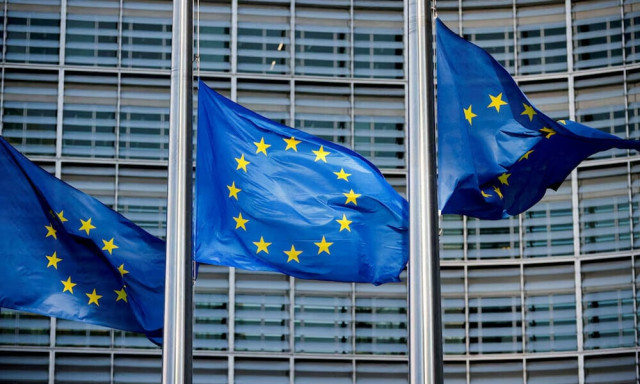
Flags of the European Union flying on masts. PHOTO: FILE
European Union governments should prepare for a prolonged disruption to energy markets as a result of the Iran war, the bloc’s energy chief has told ministers ahead of an emergency meeting on Tuesday.
In a letter to energy ministers, dated March 30 and seen by Reuters, EU Energy Commissioner Dan Jorgensen said governments were “encouraged to make timely preparations in anticipation of a potentially prolonged disruption”.
Europe’s heavy reliance on imported fuel leaves it exposed to the Middle East conflict’s impact on global energy prices. European gas prices have risen more than 70% since the US-Israeli war with Iran began on February 28.
The bloc’s supplies of crude oil and natural gas have not been hit directly by the closure of the Strait of Hormuz, since Europe imports most of those energy sources from suppliers outside of the Middle East.
Also Read: After Spain, Italy also refuses airbase access to US military aircraft involved in Iran war
Jorgensen said Brussels was particularly concerned in the short term about Europe’s supply of refined petroleum products such as jet fuel and diesel.
Analysts say jet fuel is currently the most exposed European energy product to the fallout from the Iran war.
The last kerosene shipments that passed through the Strait of Hormuz before its closure are due to arrive in Europe around April 10, according to Benedict George, head of European products at Argus Media.
“There’s no realistic risk of actually running out” of jet fuel, George told Reuters, adding that European countries’ stockpiles can cover up to three months of kerosene demand.
However, “stocks could fall to a level where you have localised shortages” or high and volatile prices, he said.
Read More: Soaring fuel prices drive German far-right calls for a turn back to Russia
The EU sources around 15% of its kerosene from Middle East suppliers, although its reliance is bigger than this number suggests, since the bloc also imports from refineries in India that process Middle Eastern oil.
Europe could turn to alternative suppliers, including the US, to substitute some, but not all, of this supply, George said.
Jorgensen recommended in his letter that governments avoid measures that would limit the trade of petroleum products or discourage output at European refineries.
“Member States are encouraged to defer any non-emergency refinery maintenance,” he said.
EU energy ministers will hold a video call on Tuesday afternoon to coordinate their response to the disruption triggered by the Iran war.