Says Vance had a tense call with Netanyahu, where he questioned overly optimistic war expectations
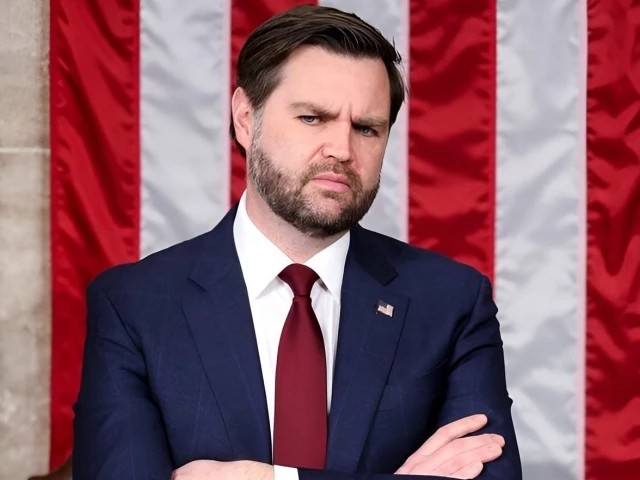
US Vice President JD Vance stands in the House Chamber prior to US President Donald Trump’s speech to a joint session of Congress at the US Capitol in Washington, DC, US, March 4, 2025.PHOTO: REUTERS
United States Vice President JD Vance emerged as a key figure in Washington’s efforts to broker peace with Iran amid the ongoing war, now nearly a month old, as diplomatic contacts intensify through regional mediators, US media reported on Friday.
According to an Axios report, Vance took a leading role in behind-the-scenes diplomacy, holding multiple discussions with Israeli Prime Minister Benjamin Netanyahu and engaging with Gulf allies while maintaining indirect communication channels with Iranian officials.
The report said the White House viewed Vance as a central negotiator due to his senior position and his scepticism toward prolonged military engagements, positioning him as a suitable envoy for sensitive talks.
Vance’s diplomatic efforts included coordination with countries such as the United Arab Emirates and Qatar, focusing on de-escalation, potential peace negotiations and regional security dynamics.
US President Donald Trump formally confirmed Vance’s role on Thursday, asking him to brief officials on Iran and noting he was working alongside Mideast Envoy Steve Witkoff and Jared Kushner, Trump’s son-in-law, on ongoing negotiations.
White House officials told Axios that Vance’s senior standing and opposition to prolonged overseas conflicts made him a more appealing interlocutor for Iran than Witkoff and Kushner, with Witkoff recommending him as lead negotiator.
“If the Iranians can’t strike a deal with Vance, they don’t get a deal. He’s the best they’re gonna get,” a senior administration official said.
Read More: Pakistan playing ‘pivotal role’ in ending US-Iran war: Khawaja Asif
A White House official said Witkoff and Kushner were still handling negotiations, while Vance was prepared to take a larger role if talks progressed.
White House officials suspected some Israeli figures tried to undermine Vance after a tense call with Netanyahu, where he questioned overly optimistic war expectations.
US and Israeli sources also denied reports that Vance shouted at Netanyahu, calling the claims inaccurate, the report said.
“Before the war, Bibi [Netanyahu] really sold it to the president as being easy, as regime change being a lot likelier than it was,” a US source said. But “the VP was clear-eyed about some of those statements”, the source added.
The report said that Vance initially voiced scepticism about the war’s duration, goals and impact on US resources, but backed a strategy of overwhelming force once Trump decided to proceed.
While supportive of Israel, Vance remained wary of divergences in US and Israeli objectives and was expected to follow Trump’s direction in pursuing a preferred outcome, Vance advisers said, according to the report.