US president says Iranians ‘are begging to make a deal,’ but said both sides decided to take a week off from talks
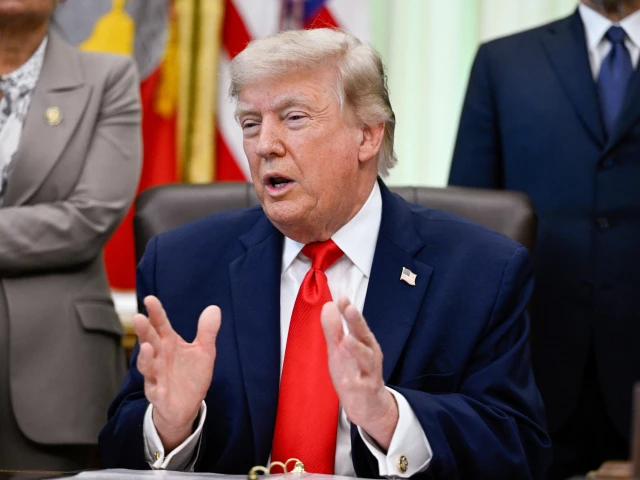
US President Donald Trump gestures as he speaks in the Oval Office at the White House in Washington, DC, US, June 11, 2026. Photo: Reuters
US President Donald Trump told Axios on Saturday that Israeli Prime Minister Benjamin Netanyahu asked him for a meeting at the White House and it could take place as early as next week.
“We get along very good. (Netanyahu) knows who the boss is,” Trump said in a brief phone interview.
This would be the first meeting between the two leaders since their February Situation Room meeting, when Netanyahu presented his plan for a joint war against Iran.
An Israeli official said next week could be too soon because of Trump’s trip to Türkiye for the NATO summit on July 7-8, saying the meeting “might take place the week after”.
Netanyahu’s office said the prime minister called Trump on Friday to congratulate him on the 250th US Independence Day, noting that the two leaders “agreed to meet soon in the United States”.
Read: Hormuz not a theatre for military display of extra-regional powers: Gharibabadi
Trump said he was following the funeral of former Iranian Supreme Leader Ali Khamenei, who was assassinated on the first day of the war in a joint US-Israeli operation.
Trump claimed the Iranians “are begging to make a deal,” but said both sides decided to take a week off from the talks until the events around Khamenei’s funeral end. In the meantime, he said, neither side will shoot at the other.
“They are all there. One shot (and we can take them all out), but we are not going to do that because then we would have nobody to negotiate with,” Trump said.
He added that he was surprised to see some Iranians crying at the funeral, saying he thought people hated Khamenei. “Maybe it’s fake tears,” Trump said.
OPEC+ agrees in principle to raise oil targets by 188,000 bpd from August, source says
OPEC+ has an agreement in principle to raise oil output quotas by 188,000 barrels per day in August, one source familiar with the group’s talks said ahead of their meeting later on Sunday.
Two other sources said an increase of this amount was the most likely decision.
Four ships alter course while transiting Strait of Hormuz
Four vessels transiting the Strait of Hormuz altered course, according to ship-tracking firm Windward, as maritime traffic through the strategic waterway remained below pre-conflict levels.
Windward said two ships travelling along the southern route off Oman’s coast turned back, while two others diverted to the central shipping corridor, Al Jazeera reported.
Although ship-tracking firms have reported a modest recovery in traffic through the Strait in recent days, volumes remain well below levels seen before the recent conflict.
Meanwhile, Tehran has said it will assume sole responsibility for managing traffic through the Strait of Hormuz during the 60 days outlined in its memorandum of understanding (MoU) with the United States. It has also indicated that, in coordination with Oman, it intends to introduce fees for services in the waterway once that period expires.